

U.S. Home Furnishing and Textile Companies Seek Tariff Refunds Through Trade Court

Share Post
Several companies from the home furnishing and textile sector in the United States have recently filed claims seeking refunds on tariffs they paid on imported goods. The issue has drawn attention across the industry as it may affect companies involved in furniture, rugs, and home textile products.
According to industry reports, a group of nine companies has approached the U.S. Court of International Trade requesting the refund of tariffs that they believe were incorrectly imposed on imported products. These companies operate in different segments of the home furnishing market, including furniture manufacturing, rug production, and textile supply.
Among the companies involved are well-known industry names such as Culp Inc., Standard Textile, Jaipur Living, Rugs America, and Flexsteel Industries. These businesses supply a wide range of products including upholstery fabrics, bedding textiles, decorative rugs, and other home furnishing materials used in residential interiors.
The companies argue that the tariffs were imposed under the International Emergency Economic Powers Act (IEEPA) and may not have been applied properly. As a result, they are asking the court to review the case and determine whether the tariffs should be refunded to the affected companies.
Trade policies and tariffs play a major role in the home furnishing and textile supply chain because many products are manufactured or sourced from international markets. Home textile products such as bedding fabrics, carpets, rugs, and upholstery materials often move across multiple countries before reaching retailers and consumers. When tariffs are imposed on these imports, companies may face higher costs, which can affect pricing and profit margins.
Industry observers say that the current legal action could have broader implications for companies involved in global sourcing. If the court rules in favor of the companies seeking refunds, more firms in the home furnishing and textile sector may consider filing similar claims.
The case also highlights the ongoing challenges companies face in navigating international trade regulations. Many manufacturers and suppliers depend on stable trade policies to maintain consistent supply chains and manage costs effectively. Sudden changes in tariffs or trade rules can create financial pressure for businesses operating in competitive markets.
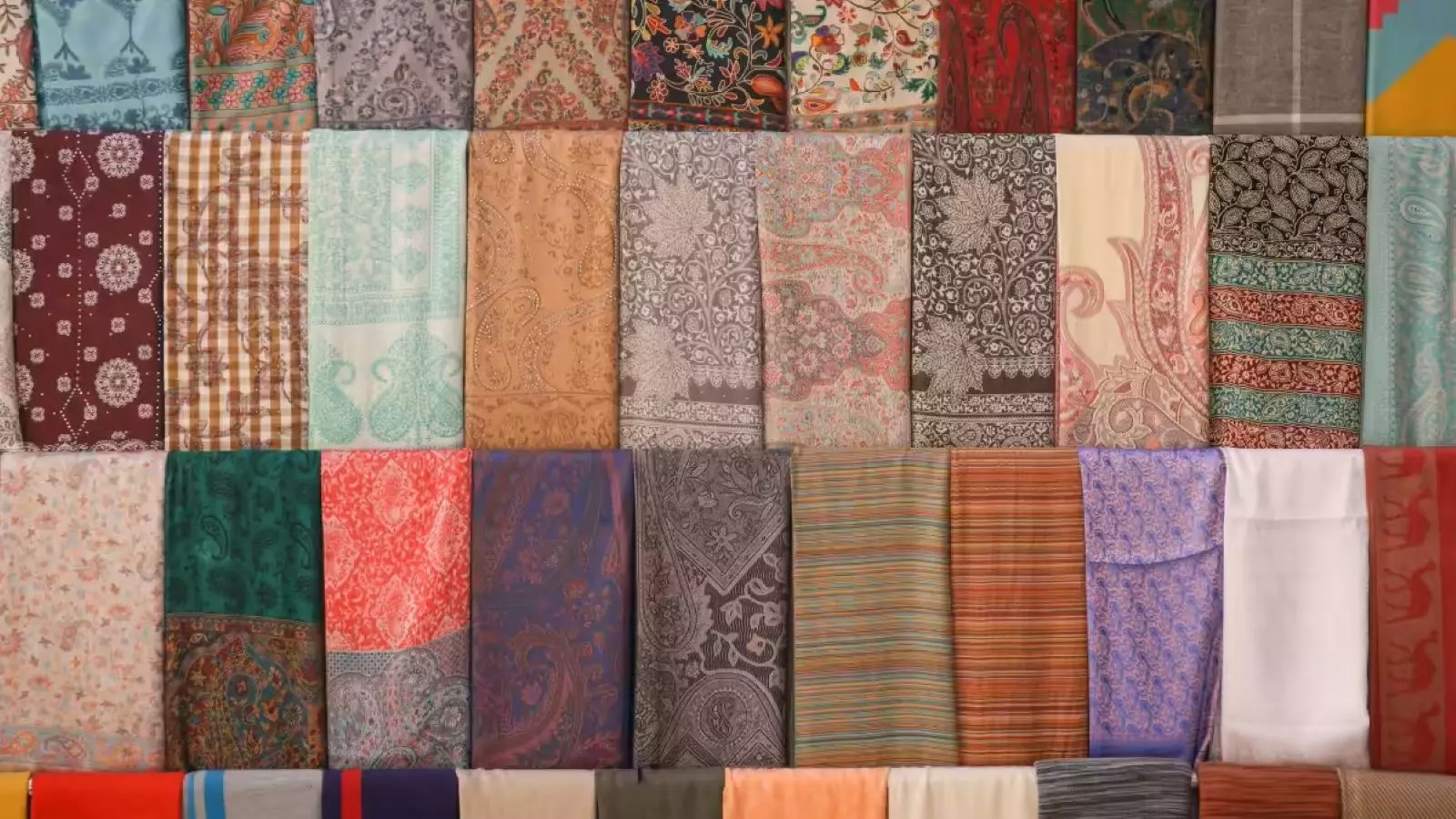
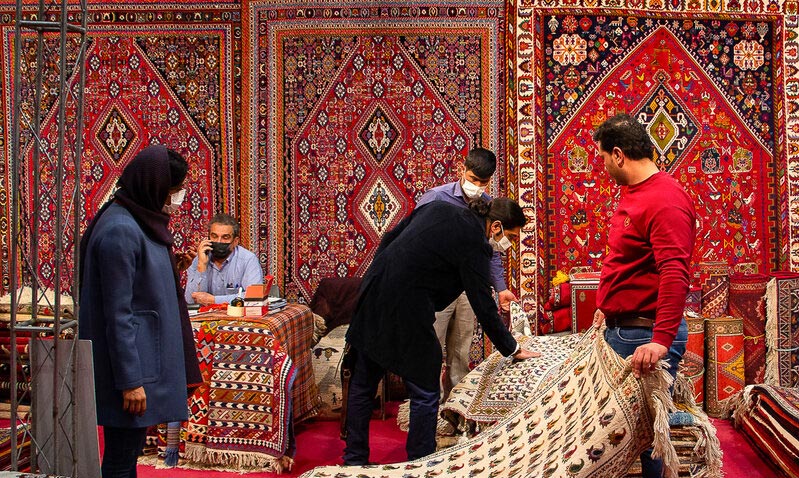
For the home textile industry, this issue is particularly important because a large portion of products such as rugs, upholstery fabrics, and decorative textiles are imported into the United States. Companies often rely on overseas production to maintain cost efficiency while offering a wide variety of designs and materials.
Experts believe that the outcome of the case could influence future trade discussions and policies related to imported home furnishing products. It may also encourage companies to examine how tariffs impact their sourcing strategies and long-term business planning.
As the legal process continues, industry stakeholders are closely monitoring the situation. The decision of the court could provide greater clarity on tariff rules and their application in the home furnishing and textile sectors.
Overall, the case highlights the growing importance of trade policy in shaping the global home textile industry and the need for clear regulations that support stable international business operations.
12:32 PM, Mar 10
Source : U.S. Home Furnishing and Textile Companies Seek Tariff Refunds Through Trade Court
1.webp)
1.webp)
Epic Group Launches $100 Million Odisha Mega Garment Hub in India
12:59 PM, May 01
1.webp)
Chinese Delegation Eyes Major Textile Investment Push in Bangladesh
02:36 PM, Apr 29
Industry Update
1.webp)
1.webp)

1.webp)


1.webp)

1.webp)
India’s Textile Exports Slip in FY26, Exposing Structural Gaps in Global Competitiveness...view more
1.webp)
1.webp)
1.webp)
.webp)
1.webp)
1.webp)
1.webp)
1.webp)

India Textile Exports Fall in FY26: Apparel Shows Slight Strength Amid Global Challenges...view more
1.webp)

1.webp)

1.webp)
1.webp)
1.webp)
1.webp)

India Expands ₹10,683 Crore Textile PLI Scheme to Boost MMF and Technical Textile Growth...view more

1.webp)
1.webp)
1.webp)
1.webp)





1.webp)


1.webp)
1.webp)


1.webp)


1.webp)
Punjab Eyes Green Transformation of Textile Processing Clusters to Attract Global Brands...view more


1.webp)


1.webp)


1.webp)
1.webp)
1.webp)


1.webp)

1.webp)
1.webp)



1.webp)
1.webp)


1.webp)


1.webp)
1.webp)


1.webp)

1.webp)


1.webp)


1.webp)
1.webp)
1.webp)


Kolkata Set to Become Textile Sourcing Hub as YARNEX and TEXINDIA Return in January 2026...view more
1.webp)
1.webp)

1.webp)


1.webp)
1.webp)


1.webp)
1.webp)
1.webp)


1.webp)
1.webp)


India Textile Industry 2025 Review: How US Tariffs Hit Exports, and the Road to Recovery...view more
1.webp)


1.webp)


1.webp)



1.webp)


1.webp)

1.webp)
1.webp)

Europe’s Textile Sector Alarms as Ultra-Fast Fashion Firms Partner With Postal Operators...view more

1.webp)

1.webp)

.webp)



1.webp)




1.webp)









1.webp)










1.webp)



1.webp)



Carrington Textiles Introduces Defence Stock Range for Faster Access to Military Fabrics...view more


1.webp)





1.webp)


1.webp)
1.webp)


1.jpg)




.png)


.jpg)


1.jpeg)