

Digital Textile Printing Boom: Reactive Ink Market Set to Double by 2032
.webp)
Share Post
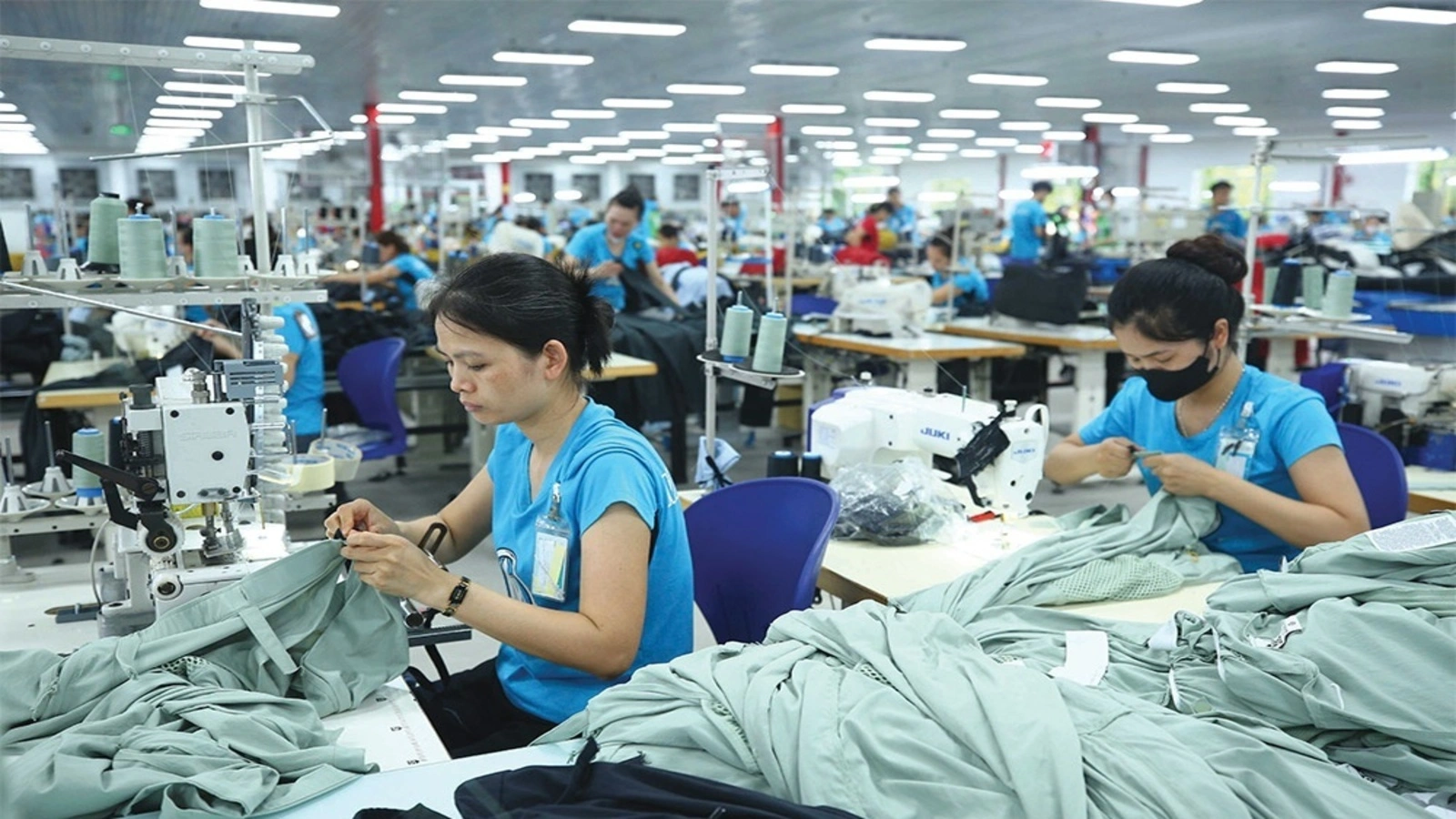
The Global digital textile reactive ink market is witnessing a powerful transformation, evolving from a niche technology into a mainstream industrial solution. Valued at approximately USD 1.45 billion in 2024, the market continues its steady climb, driven by rapid digitalization in textile manufacturing and growing demand for sustainable alternatives. Over the past decade, the sector has more than doubled in size, reflecting strong adoption across apparel and textile production. Even during global disruptions, the market demonstrated resilience, bouncing back quickly and maintaining consistent growth momentum.
What’s Fueling This Growth?
The surge in demand is being powered by a combination of technological advancements and sustainability priorities. Digital textile printing significantly reduces water usage compared to traditional dyeing methods, making it highly attractive in an era of stricter environmental regulations. Key Growth Drivers:
- Rising adoption of digital Textile Printing technologies
- Strong demand for sustainable and water-efficient solutions
- Increasing global apparel production
- High compatibility with natural fibres like cotton
Technology, Challenges & Future Outlook
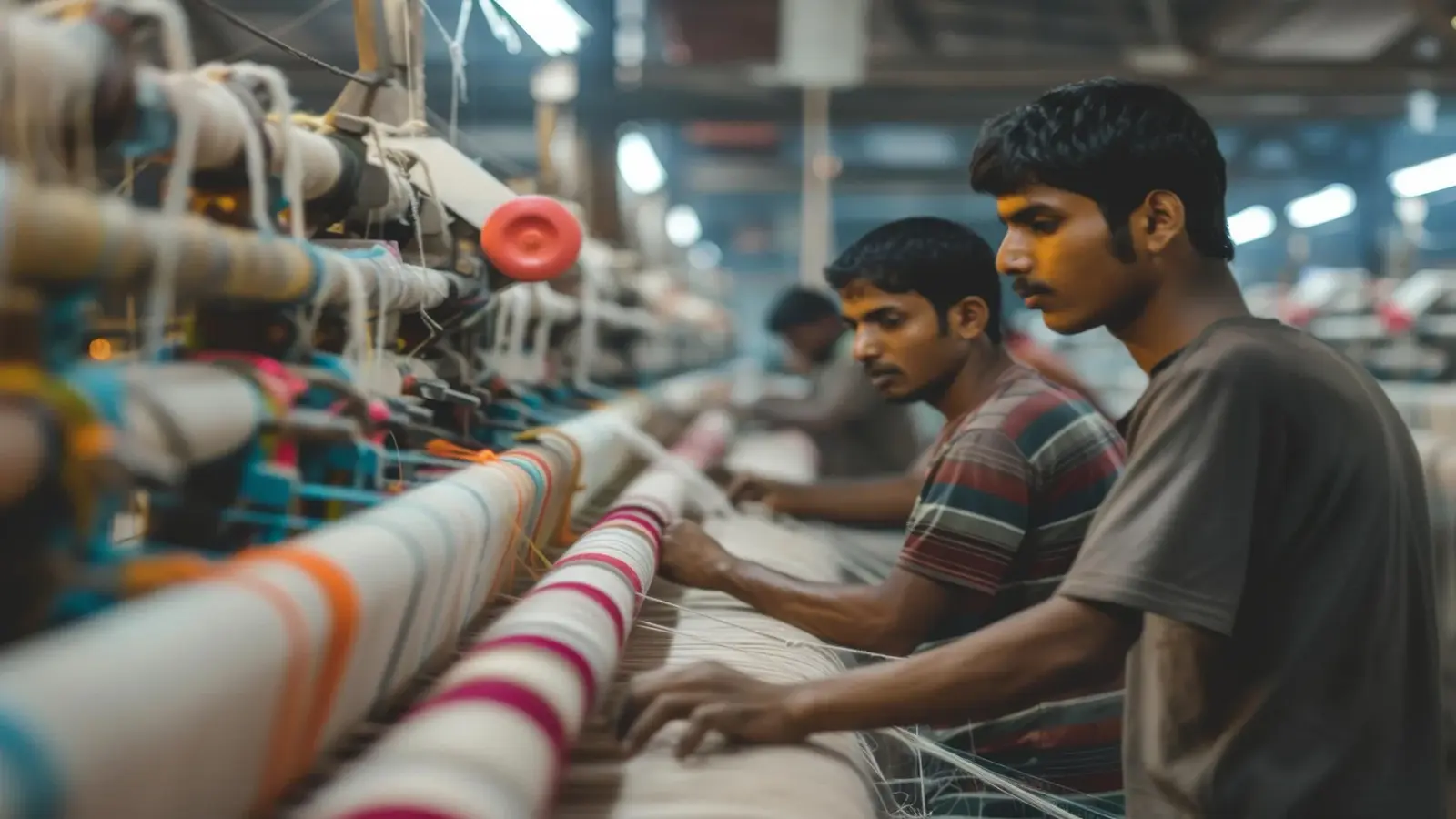
Technological advancements in digital printing have improved efficiency, lowered operational costs, and enhanced print quality. Reactive inks, in particular, dominate the segment due to their superior bonding with natural fibres and vibrant color performance. Regions such as Asia-Pacific lead the market, thanks to strong textile manufacturing bases in countries like China and India, while Europe continues to push adoption through sustainability regulations.
Challenges and the Road Ahead
Despite its promising trajectory, the market faces challenges such as high initial investment costs and slower production speeds compared to conventional methods. Small and medium enterprises, especially in cost-sensitive regions, may find adoption difficult. However, the future looks optimistic. With advancements in automation, AI-based color management, and eco-friendly ink innovations, the market is projected to reach up to USD 3.1 billion by 2032. Key Insights:
- Asia-Pacific dominates global demand
- Reactive inks lead due to performance advantages
- Investment in digital textile tech expected to exceed USD 5.5 billion by 2028
- Sustainability remains the biggest growth catalyst
11:47 AM, Apr 15

1.webp)

1.webp)
1.webp)
Industry Update

1.webp)

1.webp)
1.webp)
1.webp)
1.webp)

India Expands ₹10,683 Crore Textile PLI Scheme to Boost MMF and Technical Textile Growth...view more

1.webp)
1.webp)
1.webp)
1.webp)






1.webp)


1.webp)
1.webp)


1.webp)


1.webp)
Punjab Eyes Green Transformation of Textile Processing Clusters to Attract Global Brands...view more


1.webp)


1.webp)


1.webp)
1.webp)
1.webp)


1.webp)

1.webp)
1.webp)



1.webp)
1.webp)


1.webp)


1.webp)
1.webp)


1.webp)

1.webp)


1.webp)


1.webp)
1.webp)
1.webp)


Kolkata Set to Become Textile Sourcing Hub as YARNEX and TEXINDIA Return in January 2026...view more
1.webp)
1.webp)

1.webp)


1.webp)
1.webp)


1.webp)
1.webp)
1.webp)


1.webp)
1.webp)


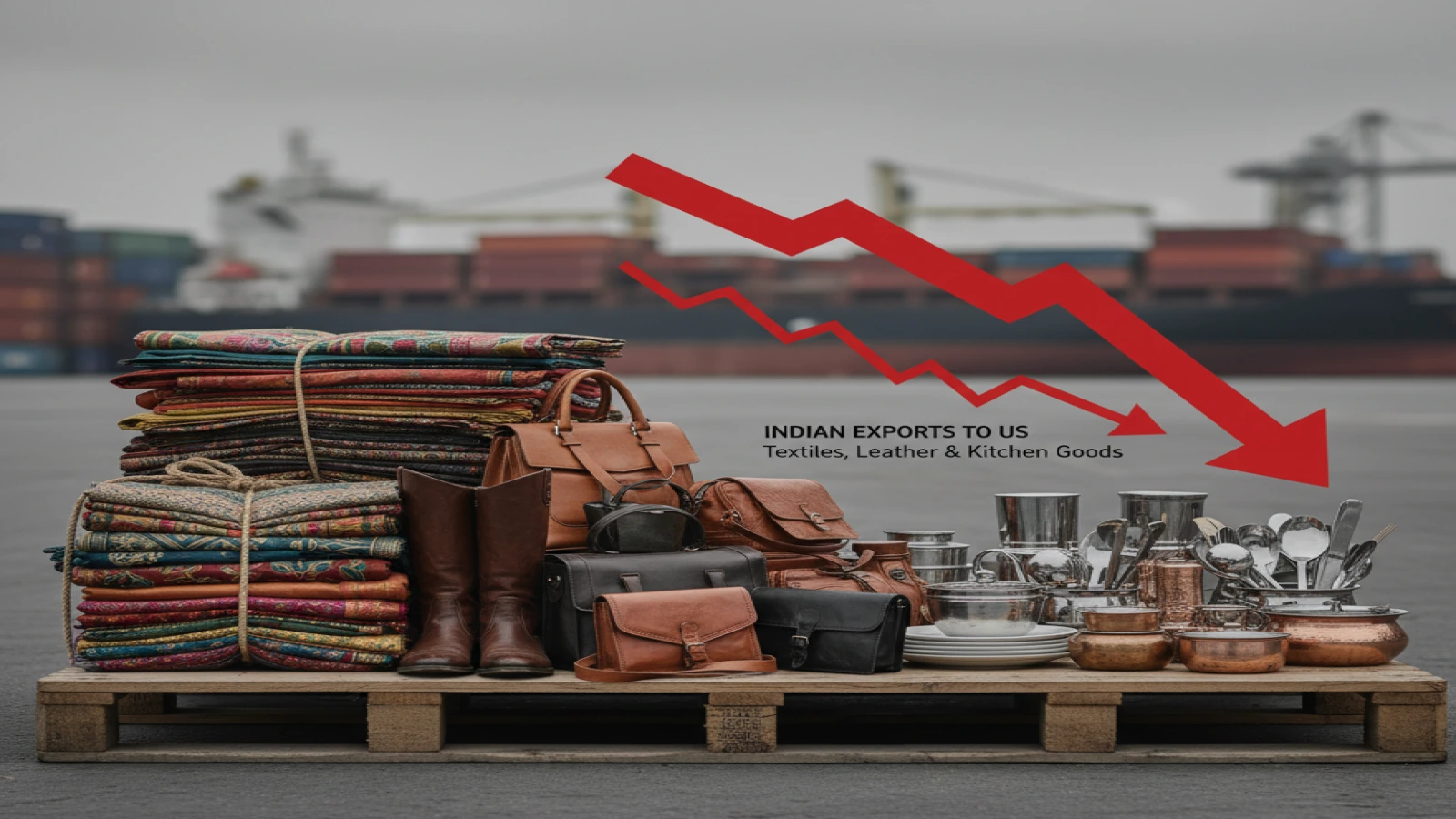
India Textile Industry 2025 Review: How US Tariffs Hit Exports, and the Road to Recovery...view more
1.webp)


1.webp)


1.webp)


1.webp)


1.webp)

1.webp)
1.webp)

Europe’s Textile Sector Alarms as Ultra-Fast Fashion Firms Partner With Postal Operators...view more

1.webp)

1.webp)

.webp)



1.webp)



1.webp)










1.webp)









1.webp)


1.webp)



Carrington Textiles Introduces Defence Stock Range for Faster Access to Military Fabrics...view more


1.webp)





1.webp)


1.webp)
1.webp)


1.jpg)





.png)


.jpg)


1.jpeg)