

West Asia Conflict Hits Man-Made Fibre Exports, Indian Textile Sector Under Pressure

Share Post
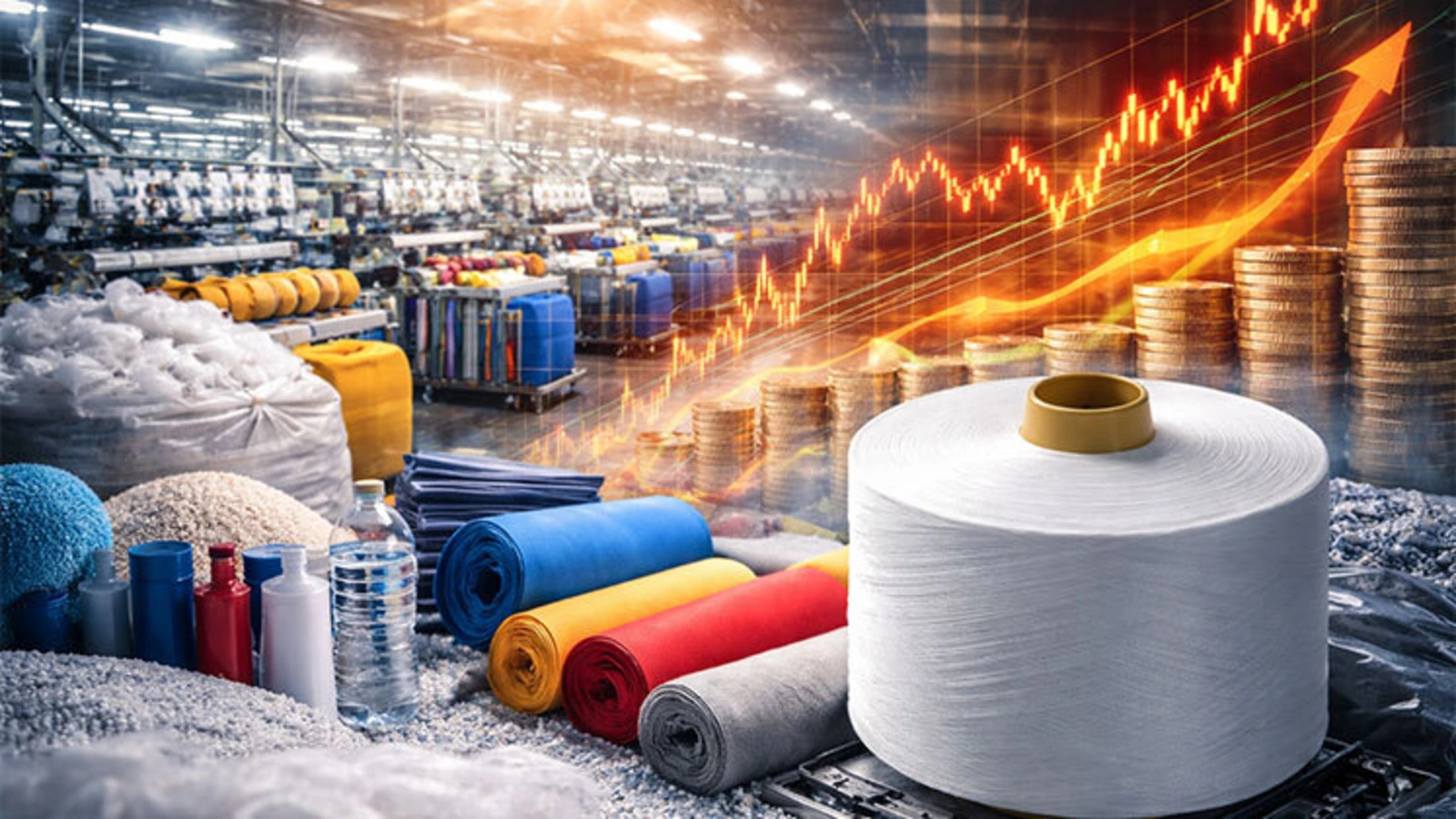
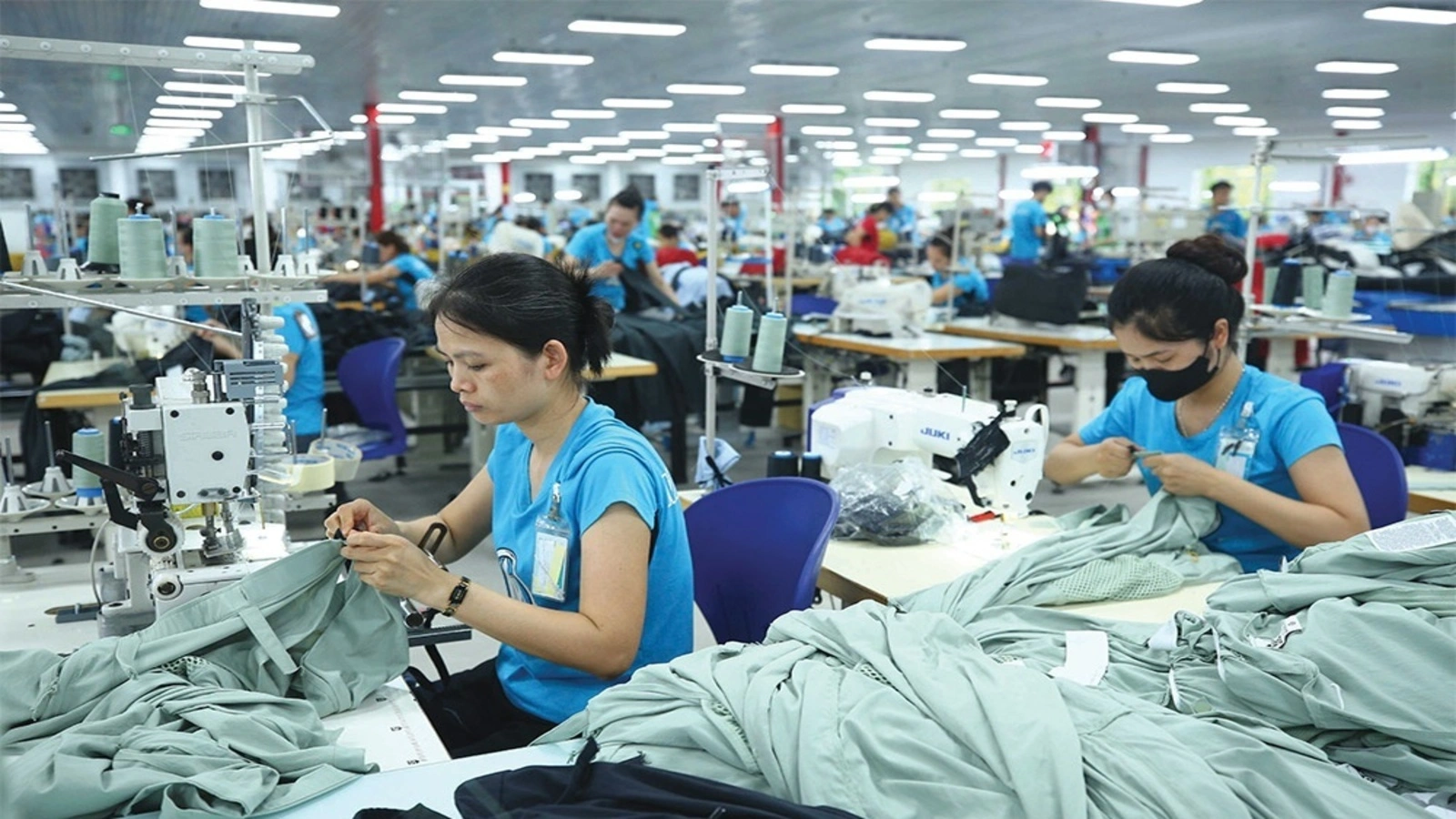
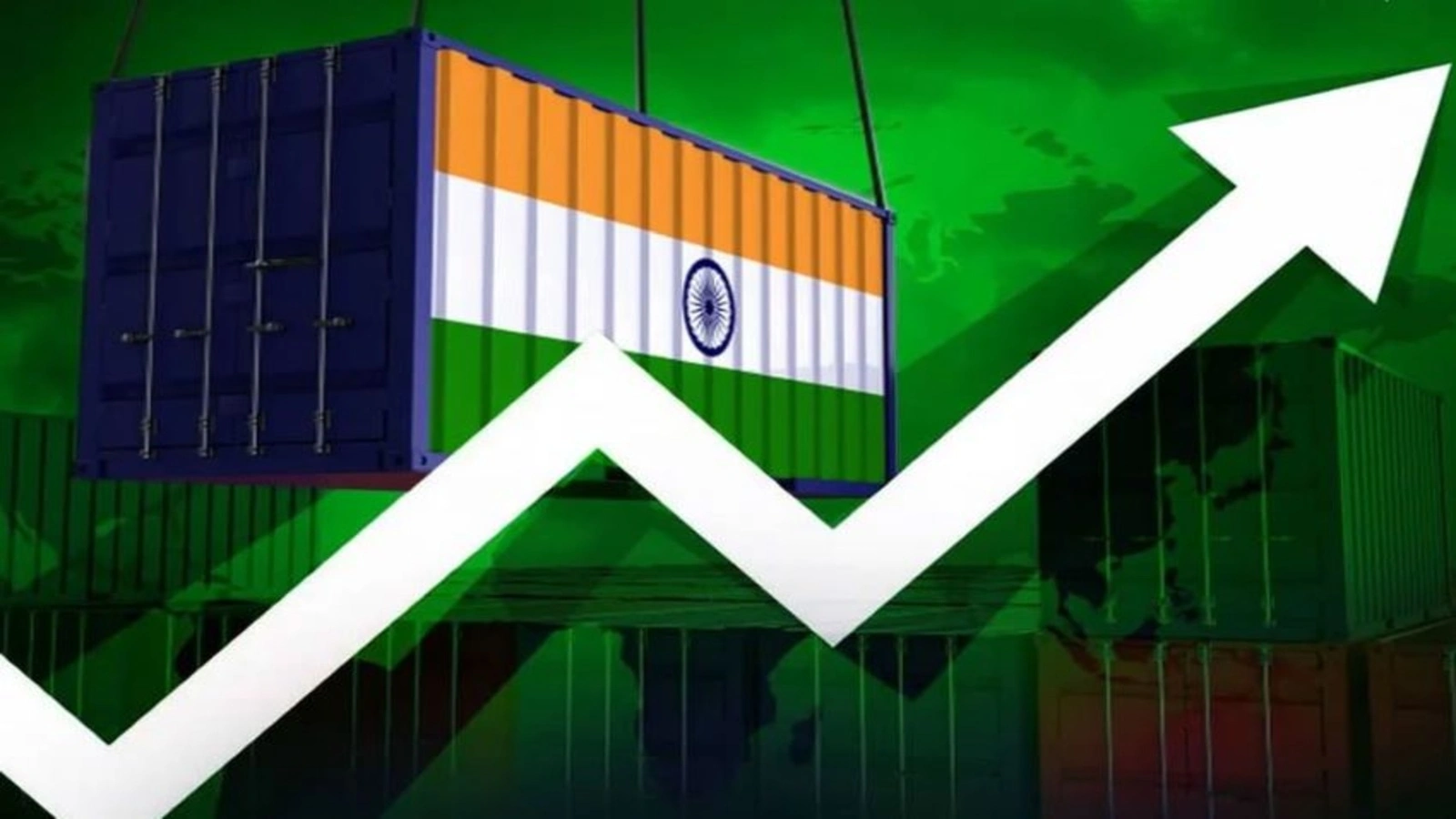
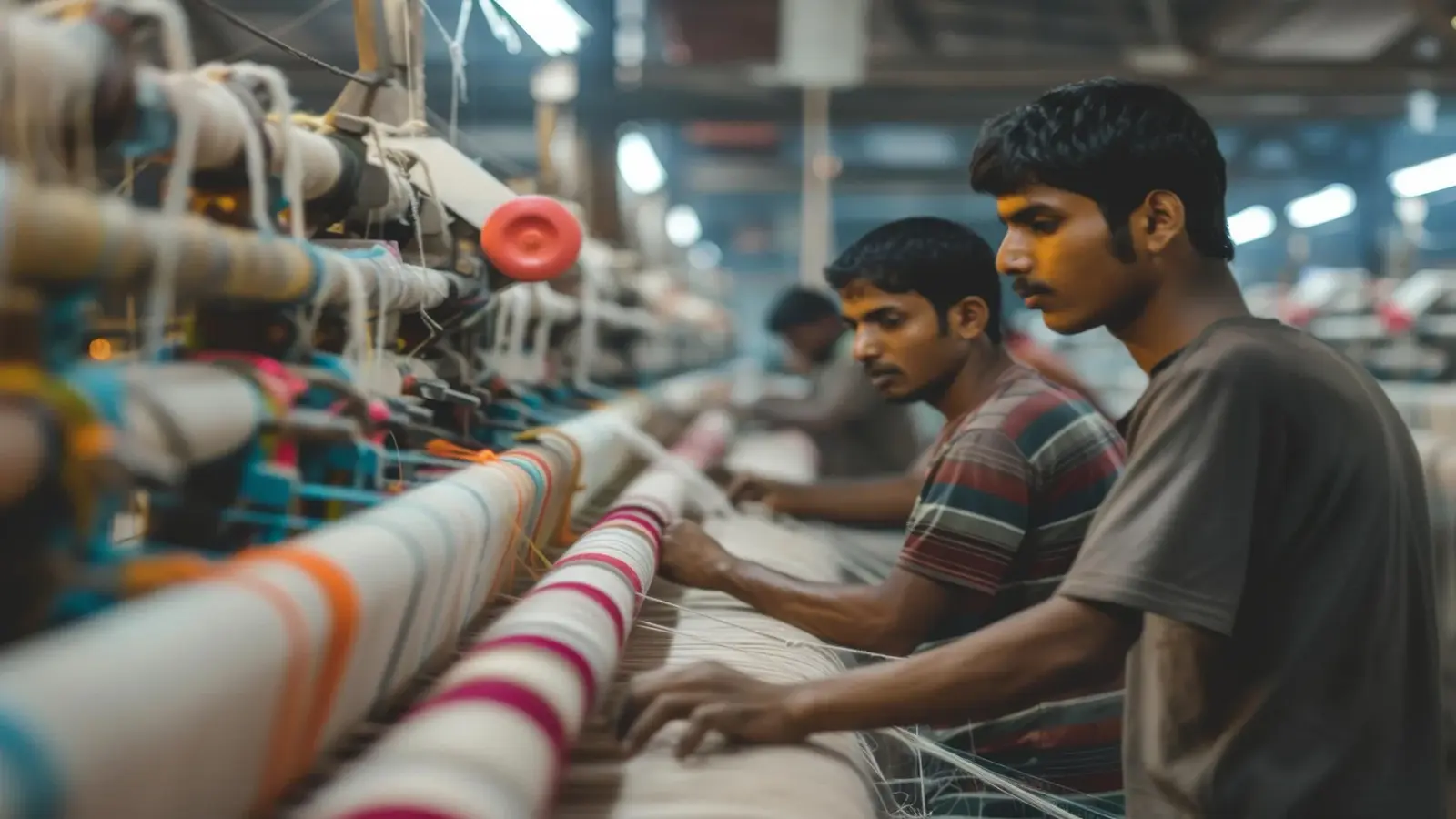
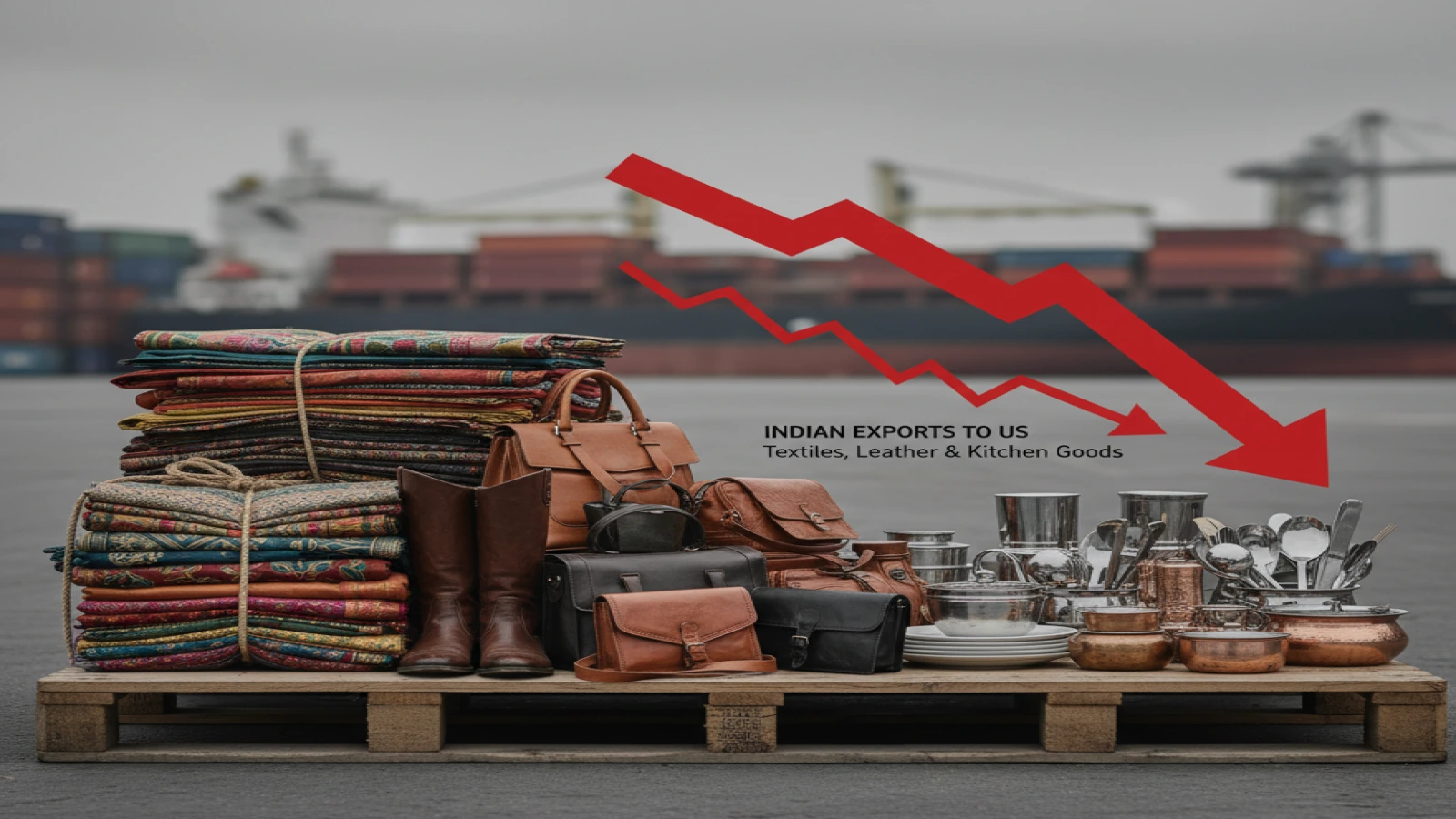
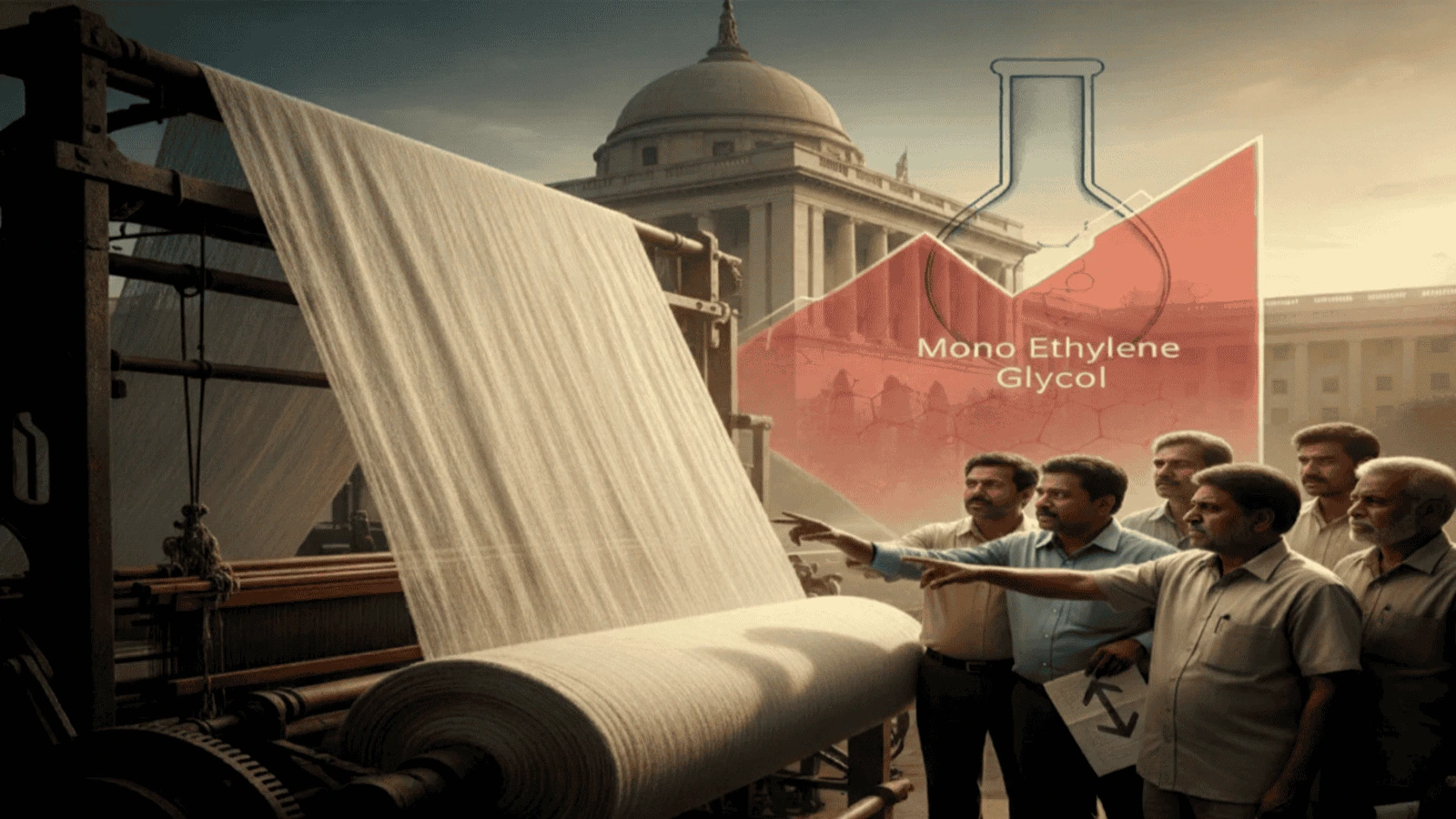
India’s textile industry, particularly the man-made fibre (MMF) segment, is facing growing pressure as the ongoing West Asia conflict continues to push up crude oil prices, significantly increasing production costs across the value chain.
Industry stakeholders have warned that the situation is beginning to impact export competitiveness, with rising input costs squeezing margins and creating uncertainty for exporters.
Crude Oil Spike Directly Impacts Textile Raw Materials
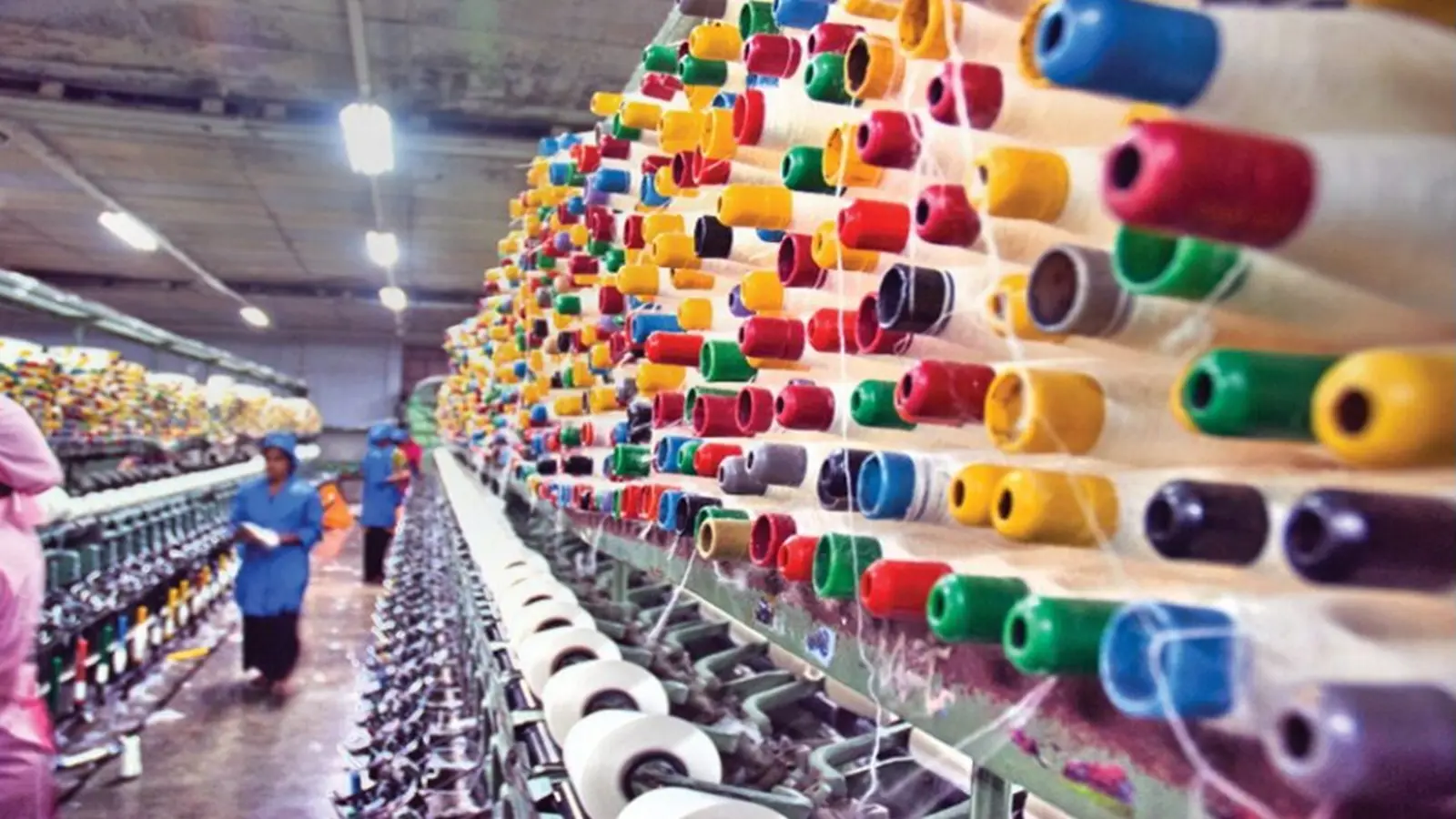
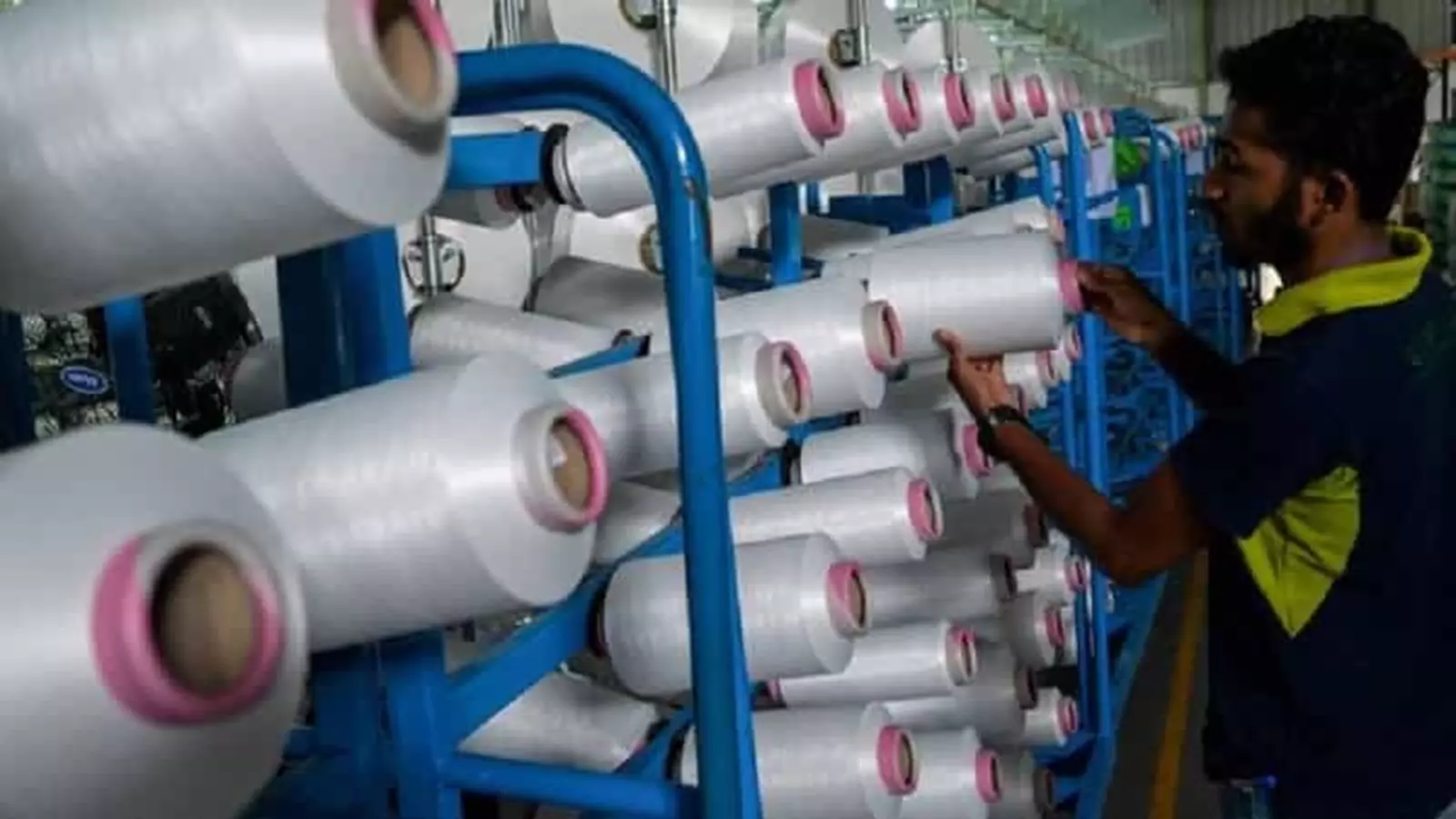
Man-made fibres such as polyester and other synthetic yarns are largely derived from crude oil. As global oil prices rise due to geopolitical tensions, the cost of these essential raw materials has increased sharply.
This has created a ripple effect across the textile value chain — from fibre production to fabric manufacturing and final garment exports.
Export Margins Under Pressure
According to industry leaders, the surge in input costs is directly impacting the profitability of exporters.
MATEXIL Chairman Shaleen Toshniwal highlighted that exporters are facing financial strain due to rising raw material prices, which are making Indian products less competitive in global markets.
As costs increase, buyers in international markets may shift to cheaper sourcing destinations, putting India’s export volumes at risk.
Global Competitiveness at Risk
The Indian textile sector, especially the MMF segment, plays a key role in exports. However, with increasing costs:
-
Profit margins are shrinking
-
Pricing competitiveness is weakening
-
Export growth may slow down
Industry experts warn that if the situation continues, India could lose market share to competing countries with lower production costs.
Wider Impact Across the Textile Value Chain
The issue is not limited to exporters alone. The rising cost pressure is affecting:
-
Fibre and yarn manufacturers
-
Fabric producers
-
Garment exporters
This indicates a broader structural challenge for the textile industry, where global geopolitical events are directly influencing domestic production economics.
Industry Calls for Policy Support
Exporters and industry bodies are now urging the government to introduce supportive measures such as:
-
Cost relief mechanisms
-
Export incentives
-
Stable raw material supply
Such steps are seen as crucial to maintaining India’s position in the global textile market during this period of uncertainty.
The ongoing West Asia conflict has emerged as a major external risk for India’s textile sector. With crude oil prices rising and costs escalating, the man-made fibre segment is under significant strain.
Unless global conditions stabilize or policy support is strengthened, the industry may face continued pressure on exports, profitability, and long-term growth.
12:20 PM, Apr 03


Industry Update




1.webp)


1.webp)
1.webp)


1.webp)


1.webp)
Punjab Eyes Green Transformation of Textile Processing Clusters to Attract Global Brands...view more


1.webp)


1.webp)


1.webp)
1.webp)
1.webp)


1.webp)
1.webp)
1.webp)



1.webp)
1.webp)


1.webp)


1.webp)
1.webp)


1.webp)

1.webp)


1.webp)


1.webp)
1.webp)
1.webp)


Kolkata Set to Become Textile Sourcing Hub as YARNEX and TEXINDIA Return in January 2026...view more
1.webp)
1.webp)

1.webp)


1.webp)
1.webp)


1.webp)
1.webp)
1.webp)


1.webp)
1.webp)


India Textile Industry 2025 Review: How US Tariffs Hit Exports, and the Road to Recovery...view more
1.webp)


1.webp)


1.webp)

1.webp)


1.webp)

1.webp)
1.webp)

Europe’s Textile Sector Alarms as Ultra-Fast Fashion Firms Partner With Postal Operators...view more

1.webp)

1.webp)

.webp)



1.webp)



1.webp)








1.webp)





1.webp)



1.webp)



Carrington Textiles Introduces Defence Stock Range for Faster Access to Military Fabrics...view more


1.webp)




1.webp)


1.webp)
1.webp)


1.jpg)




.png)


.jpg)


1.jpeg)